
Were you involved in a rear-end collision in Wisconsin? It is the most common type of multi-vehicle crash. The National Highway Traffic Safety Administration (NHTSA) reports that more than half of multi-car collisions in the United States are rear-end accidents. Going through the claims process after this type of accident can be more complicated than you may realize. In this article, our Wisconsin car accident attorneys provide a comprehensive guide to rear-end collisions that can help you understand how they occur and equip you with knowledge on adopting safe driving practices in order to reduce risk.
Common factors that lead up to these accidents are distracted drivers in front vehicles not paying attention or applying brakes suddenly due to bad weather conditions, and faulty vehicle design. A rear-end car accident occurs when a trailing driver fails to stop their own vehicle before hitting the one in front. If preventive measures had been taken, this collision would have never happened. Education is key.
According to Wisconsin car accident statistics, rear-end crashes account for a significant share of all reported crashes in the state each year. Understanding the risks can help drivers make safer choices on the road and protect themselves if an accident does happen.
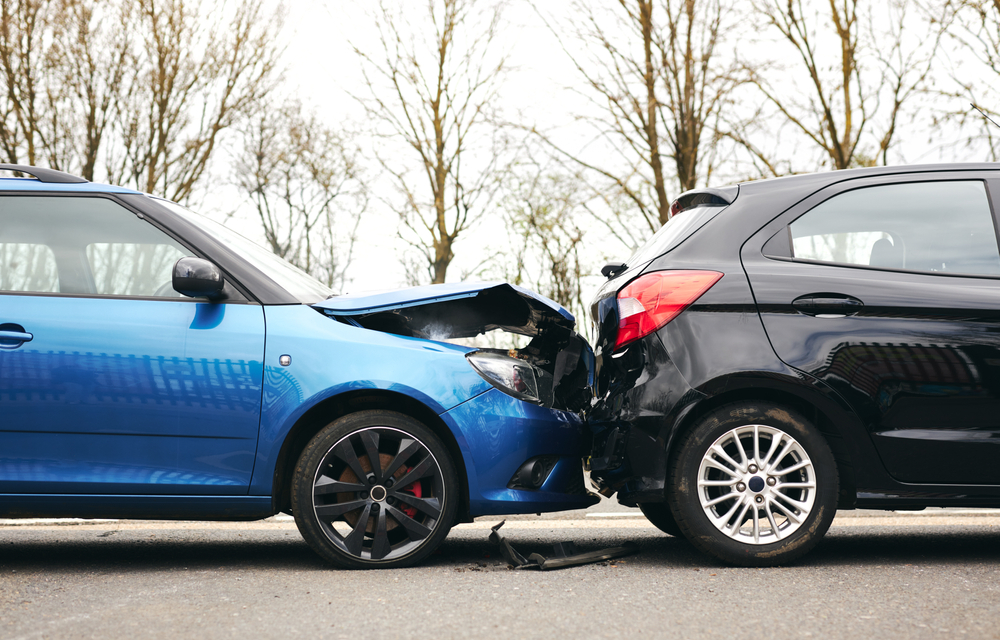
Decoding the Leading Causes of Rear End Collisions in Wisconsin
Rear-end collisions are responsible for nearly a third of all car accidents, making them quite common. Several elements, such as tailgating and distracted driving, can contribute to these types of crashes. The extent of damage suffered by the rear-ended vehicle depends on things like speed and size. From minor scrapes, broken lights, or dented bumpers up to misaligned steering columns and crumpled trunks in extreme cases.
In some incidents, responsibility may be put on the driver at fault even if they were operating the front vehicle during an accident involving two cars. To reduce these kinds of collision risks, it is important to recognize what leads to their occurrence in order to acknowledge those behaviors that should not be done when behind the wheel. Here are the leading causes of rear-end collisions in Wisconsin:
Distracted Driving:The Top Culprit
Distracted driving is the leading cause of rear-end collisions. Anything that diverts attention from driving — texting, eating, talking to passengers, or adjusting the radio — can result in a collision. Negligent drivers who take their eyes off the road, even for a second, put everyone around them at risk.
Due to the prevalence of smartphones and other connected devices, it is important for drivers to keep their focus on the road. When someone takes their eyes off of what’s happening in front of them or has hands that are not firmly placed on a steering wheel, rear-end collisions can occur, with 15,000 fatalities being reported as a result. Car accident injuries caused by distracted driving range from minor whiplash to life-altering spinal damage. To avoid these tragic consequences, one must eliminate any distractions while behind the wheel so they have enough time to respond when following another vehicle at close range.
If you were hurt because another driver was texting or otherwise distracted, a personal injury attorney can help you build a strong case. Distracted driving is a form of driver negligence, and it is one of the most common reasons people file a personal injury claim after a crash.
Tailgating Troubles: Following Too Closely
Drivers who follow too closely, also known as tailgating, can put other motorists at risk of a rear-end collision. Such aggressive driving may include glaring and shouting, along with rapidly changing lanes. When cars are placed so close together that reaction time is limited by the vehicle in front stopping suddenly, it increases the likelihood of this kind of accident occurring.
The penalties imposed for such actions vary depending on where you live. Fines or misdemeanors could be expected consequences if found guilty of a tailgating offense. The trailing driver in these situations is often found liable, especially when evidence shows they were following too closely before impact. To prevent these accidents from occurring due to reckless driving behaviors, drivers should always maintain enough distance between their car and those ahead, which allows ample response time to sudden changes on roadways involving other vehicles.
Sudden Stops and Brake Lights Ignored
The chances of rear-end collisions due to sudden stops can be decreased if drivers are attentive and have shorter reaction times. Studies show that flashing or pulsing brake lights has the ability to shorten driver response time, ultimately reducing accident risks. Brake lights not working correctly, such as burnt-out bulbs, faulty wiring, or a defective light switch, could lead some motorists to overlook their vehicle’s braking signals altogether.
When brake lights are out, the lead driver may share some responsibility for the crash. This is one reason why determining fault in a rear-end accident is not always straightforward. To better guard against an unwelcome situation like this, it is important for all drivers to pay close attention to the road at all times, and making sure your car’s brake lights work well should also be part of that practice.
How Aggressive Driving Leads to Rear End Accidents
Rear-end accidents are commonly caused by aggressive driving, including speeding and tailgating. A study determined that 56% of fatal crashes between 2003 and 2007 were due to such behaviors. Road rage can also increase the risk for all those on the road as a result of an increase in reckless conduct behind the wheel.
Realizing how dangerous rear-end collisions are connected to these habits is important when it comes to decreasing the risks associated with vehicle crashes and making roads safer for drivers everywhere. In a personal injury lawsuit, aggressive driving behavior can serve as strong evidence of negligence. An experienced car accident attorney can use this kind of evidence to help you recover compensation.
Speeding and the Inability to React
Excessive speeding not only has an effect on a driver’s ability to respond and take action quickly, but also increases the chances of being involved in rear-end car crashes. When moving at higher speeds, the time taken for drivers to react when faced with sudden changes in traffic or another vehicle ahead is extended significantly, causing them to be unable to stop quickly enough. This can lead to serious accidents and serious injuries that require ongoing medical care and treatment.
This extends beyond just taking more time, as it amplifies the damage that can occur during such crashes, resulting in greater injuries to those affected. To reduce potential risks, following recommended speed limits and maintaining safe distances from other vehicles will enable motorist safety instead of forcing them to put themselves at risk due to ignoring traffic laws. Head injuries are among the most common and dangerous outcomes of high-speed rear-end impacts.
The Perils of Road Rage
In 2015, rear-end car accidents related to road rage had spiked 500% in only 9 years. 467 incidents of such nature happened, a sign of how dangerous and uncontrollable driver aggression can be on the roads. This is attributed to feelings like anger or stress being unmanaged, as well as inadequate emotional control while driving.
We must take steps toward regulating our emotions when we’re behind the wheel so that there are safer conditions for everyone using the roads. Post-traumatic stress disorder is a real consequence for many accident victims who experience these violent, rage-fueled crashes. If another driver’s road rage caused your accident, you have the right to seek compensation for your physical injuries and emotional suffering.
Weather Conditions and Rear End Collisions
Rear-end collisions and accidents involving cars are often attributed to poor weather conditions. Rain, snow, ice, and standing water can all result in a greater chance of such occurrences. Nearly 70% of car crashes linked to precipitation happen due to slippery road surfaces. It is important that drivers understand the effect that bad weather has on rear-end incidents so they may make better-informed decisions when out on the roads.
When visibility is reduced by foggy conditions, this too increases the probability for rear-impact events, as it becomes more difficult for motorists to see other automobiles, along with any potential dangers or warning signs present. Failing to observe traffic signs and reduce speed in poor weather is a form of driver negligence. Slowing down and increasing the distance between vehicles should be practiced in order to reduce these risks.
Slippery Surfaces: Rain and Snow
Drivers must be aware of the potential for rear-end collisions on slippery surfaces caused by rain or snow, especially during times with heavy traffic. To minimize this risk, it is important to keep your vehicle properly outfitted with appropriate tires that are adequately inflated and maintained. Drivers should also adjust their speed and following distance according to weather conditions while keeping a close watch on their surroundings when driving over wet roads.
Vehicles involved in weather-related crashes are still subject to the same fault-based rules in Wisconsin. Even if conditions were bad, a driver who was going too fast or following too closely may still be held responsible. A Wisconsin car accident attorney can help you understand how weather affects the outcome of your car accident claim.
Fog and Low Visibility: A Dangerous Mix
Drivers can reduce the risk of rear-end collisions when driving in foggy conditions by keeping a greater distance between vehicles, reducing speed, using headlights and fog lights correctly, and following roadside reflectors. Decreased visibility due to thick fog makes it difficult for drivers to spot other cars on the road or read street signs, thus creating an increased likelihood of colliding with another vehicle from behind.
Insurance adjusters will look closely at speed and following distance when evaluating foggy-weather accidents. If you were rear-ended by a driver who failed to slow down in low-visibility conditions, an accident lawyer can help you recover damages for your injuries, property damage, and other losses.
Vehicle-Related Factors in Rear End Crashes
Vehicles can be a major factor in rear-end accidents, aside from driver behavior and the weather. Failures with brakes, design issues, or neglect of vehicle maintenance are common causes of these crashes. In order to make sure our vehicles are safe for driving, we need to acknowledge how car characteristics play into end collisions.
For instance, around 22% of all motor vehicle accident cases brought about by mechanical failure come down to breakdowns with braking systems. Regular upkeep plus proper performance from your automobile’s brakes is one way to reduce the risk of any rear-end crashes occurring. Also, remedying any errors within designs or other aspects concerning vehicles involved in defect-related accidents helps keep cars off accident statistics, resulting in safer conditions across roadways everywhere.
Brake Failure and Maintenance Neglect
Rear-end collisions can occur as a result of brake failure or improper maintenance. Vehicle drivers should be aware of the warning signs, such as an illuminated brake light on your dashboard, a low pedal when you press down, and extra distance needed to come to a stop. The usual suspects that cause this type of crash include loss of pressure from fluid leakage, faulty cylinders, and worn brakes, along with misaligned drum brakes that let air into lines.
If brake failure contributed to your crash, there may be liable parties beyond just the other driver, such as a mechanic who performed faulty repairs. If these situations are immediately addressed through proper care for the vehicle, then rear-end crashes due to failing brakes can be avoided.
Design Flaws: When Vehicles Fail Us
Drivers can avoid rear-end collisions by being aware of any vehicle-related problems. To reduce the risk, they should ensure their cars have been inspected and properly maintained to identify potential design flaws that could lead to a rear-end accident. Such defects include airbag faults, faulty seatbelts or frames, defective tires or steering systems, brake failure, and engine malfunctions, among others.
Addressing these issues promptly is important for ensuring safe operation on roads, so drivers can prevent such accidents from occurring due to design errors in vehicles. Car accident cases involving defective parts may allow you to seek compensation from the manufacturer in addition to the at-fault driver, which can make a significant difference in how much you ultimately recover.
Avoiding Rear End Collisions: Safe Driving Practices
Adopting proper driving behaviors has been proven to reduce the risk of rear-end collisions. Here are some precautions that drivers should take:
- Maintain a safe following distance
- Anticipate potential risks when on the road
- Be aware of any sudden stops or slowdowns
- Check brake lights and vehicle systems regularly
- Avoid all distractions while driving
By using these best practices while behind the wheel, you can make sure that your car rides remain accident-free. Not only does exercising responsible habits behind the wheel help keep rear-end accidents at bay, but it is also beneficial for overall safety across all motorists. Keeping this in mind encourages us to act responsibly as we drive so we can ultimately create safer conditions on roads everywhere.
Keeping a Safe Distance: The 3-Second Rule
The 3-second rule is a safe driving practice that can help reduce the risk of rear-end collisions. This technique requires drivers to maintain an adequate space and time between their vehicle and the one ahead, allowing enough time for reacting, braking, or changing lanes if needed. To use it, find something fixed like a road sign as a reference, then count how long it takes until your car reaches it. If you arrive before three seconds have elapsed, then you are following too closely.
By properly adhering to this measure, more safety on roads will be achieved for both you and the other vehicles around you. In a personal injury claim, the following distance can be used as evidence of negligence, and witness statements from people who saw the crash can confirm it. Car accident attorneys use this type of evidence regularly to establish fault.
Anticipative Driving: Reading the Road Ahead
Anticipative driving is a method employed by drivers to protect themselves from any accidents that may involve rear-end collisions. This strategy involves closely monitoring what is ahead, leaving enough distance between you and other vehicles, and reacting quickly should there be any sudden changes in traffic conditions. By using these techniques while keeping an eye out for your fellow motorists on the road, you can ensure the safety of everyone involved.
Some key skills for anticipatory driving are: cuing behind other cars, looking out for possible escape routes if needed, always checking mirrors consistently, maintaining a safe speed, and smoothly braking when it is called upon. Doing all of this will help prevent future mishaps caused by rear-end incidents.
Legal Implications of Rear End Crashes
It is important to be knowledgeable of the legal consequences relating to rear-end collisions, as it involves both those at fault and people who have suffered in an accident. Usually, guilt belongs to the driver behind a vehicle that has been hit from behind. This must also include proof that the other motorist was not paying enough attention or driving too closely.
Knowing about the comparative negligence rule, along with contributory negligence, can highly affect compensation claims made by accident victims. Being familiar with all aspects concerning legality following rear-end incidents enables drivers to understand their rights while on the roads more capably. A personal injury attorney can guide you through this process and help you pursue a fair outcome. This will assist anyone involved in these types of accidents, whether they are responsible for causing it or injured during one, to go through proceedings efficiently and reach fair compensation afterward.
Getting legal representation early in the claim process can make a real difference. Insurance companies often move fast after a crash to settle claims for as little as possible. Having an experienced car accident attorney on your side helps level the playing field.
Proving Fault in a Rear End Accident
When trying to prove fault in a rear-end accident, distracted driving or tailgating can be used as evidence of negligence. Accident victims who want to demonstrate the other driver’s responsibility for the crash should collect and present data such as police reports, photos from the scene, black box information, videos captured on dashcams, and witness statements. Cell phone records and toxicology results may also contribute to showing proof that an individual is culpable for a collision.
Insurance adjusters will look at all of this evidence when evaluating your car accident claim, and so will a judge or jury if the case goes to court. All this relevant material gives people more chances of recovering compensation for damages suffered. An experienced car accident attorney knows how to gather and present this evidence in a way that supports your case.
Contributory vs. Comparative Negligence
Understanding the distinction between contributory and comparative negligence is key for drivers involved in a rear-end collision. A driver at fault may not be eligible to receive compensation through contributory negligence due to their involvement in an accident. With knowledge of these legal concepts, along with working with a capable car accident lawyer, they can acquire partial payment based on how much blame lies with them, thanks to the comparative negligence rule.
Drivers should take the initiative and obtain informed counsel so that they are correctly guided throughout this difficult time after being part of or hurt in a rear-end crash. Wisconsin law uses a modified comparative negligence standard, meaning you can still recover compensation as long as you are not more than 51% at fault.
Wisconsin is an At-Fault Auto Accident State
For the purposes of a car accident claim, it is important to know that Wisconsin law operates under an “at-fault” system for crashes, including for rear-end collisions. The driver or other party responsible for causing the accident is also responsible for any resulting harm or damage.
This means that after a motor vehicle accident, the at-fault party’s insurance company is typically responsible for covering your losses. This includes property damage, medical expenses, lost wages, and more. Understanding Wisconsin law is the first step toward making a successful personal injury claim. A car accident lawyer can explain exactly how this system applies to your situation.
The Rear Driver is Often—But Not Automatically—Liable
The vast majority of rear-end collisions are caused by the rear driver. However, the rear driver is not automatically liable for a crash. A full investigation of any rear-end collision in Wisconsin is a must. For example, if the lead driver makes an abrupt and unexpected stop, or if their brake lights are malfunctioning, they may be found partially or entirely at fault for a crash.
Determining fault correctly is one of the most important parts of the claim process. Insurance companies may try to shift blame to reduce what they pay out. At-fault driver liability can sometimes be contested, and having a legal team that knows how to investigate these cases thoroughly is important. Car accident attorneys at experienced law firms know how to gather the facts and fight for the full amount you deserve.
What to Do After a Rear-End Car Accident in Wisconsin
Knowing what steps to take right after a crash can protect both your health and your ability to recover compensation. Here is a simple breakdown:
- Seek medical attention immediately, even if you feel fine. Some injuries, like whiplash or head injuries, may not show symptoms right away.
- Call the police and get an official report.
- Take photos of the scene, the vehicles involved, and any visible injuries.
- Get contact and insurance information from the other driver.
- Talk to witnesses and gather their contact details.
- Do not admit fault at the scene.
- Contact a Wisconsin car accident attorney before speaking with insurance companies.
Failing to seek medical attention promptly can hurt both your health and your car accident claim. Insurance adjusters often argue that delayed treatment means the injuries were not serious. Protect yourself by going to a doctor right away and following all recommended care.
Common Car Accident Injuries After a Rear-End Crash
Rear-end collisions can cause a wide range of physical injuries, from minor to severe. Some are obvious right away. Others show up days or even weeks later. Common injuries include:
- Whiplash and neck injuries
- Head injuries, including concussions and traumatic brain injuries
- Back and spinal cord injuries
- Broken bones
- Soft tissue injuries
- Post-traumatic stress disorder and other emotional trauma
Serious injuries often lead to large medical bills, lost income, and long-term disability. These costs add up fast. A personal injury lawsuit can help you recover damages for all of it, including both current and future medical expenses. Do not settle for less than what your injuries actually cost you.
How Insurance Companies Handle Rear-End Collision Claims
After a car crash, you will likely hear from the other driver’s insurance company quickly. They may seem friendly and helpful, but keep in mind that their goal is to pay out as little as possible. Insurance adjusters are trained to look for ways to reduce the value of your claim or deny it altogether.
They may argue that your injuries were pre-existing, that you were partly at fault, or that your medical bills are too high. This is why having a Wisconsin car accident attorney in your corner matters. Our law firm helps clients deal with these tactics and pushes back on lowball settlement offers. Recover compensation that truly covers the financial burden of your accident, not just a fraction of it.
If the at-fault driver was uninsured or underinsured, there may still be options available to you through your own uninsured motorist coverage. A car accident lawyer can help you understand all potential sources of recovery.
We Help Injured Victims Recover Full and Fair Financial Compensation
Following a rear-end collision in Wisconsin, you need financial compensation to pay your bills and support your family. Unfortunately, the big insurance companies that tend to handle these cases fight very hard to try to resolve their liability for less. Our Wisconsin car crash lawyers can help you seek the maximum settlement or verdict for a rear-end collision. Damages may include:
- Vehicle repairs;
- Emergency medical care;
- Other health care costs;
- Lost wages;
- Loss of earning power;
- Pain and suffering;
- Disability or disfigurement; and
- Wrongful death damages.
Financial recovery after a serious crash can feel overwhelming, but you do not have to face it alone. Our law firm has helped many accident victims in Wisconsin get the maximum compensation they are owed. We know how to build strong personal injury cases and how to deal with insurance companies that do not want to pay.
Set Up a Free Consultation With a Top Wisconsin Rear-End Collision Attorney
At Fitzpatrick, Skemp & Butler, LLC, our Wisconsin car accident lawyers have the skills and experience to handle all types of rear-end crash cases. Hurt in a rear-end collision? We are here to help. Contact our personal injury team today for a free case evaluation. With offices in La Crosse, Eau Claire, and Onalaska, we handle rear-end collisions throughout all of Wisconsin.
Our car accident attorneys offer a free case review with no obligation. Whether you are just starting to explore your options or you are ready to move forward with a personal injury lawsuit, we are ready to talk. Do not wait too long. Wisconsin has a statute of limitations that limits how long you have to file. Contact our legal team today and get the legal representation you deserve.
We also offer a free consultation to help you understand the legal process before you commit to anything. Our experienced car accident attorneys will listen to your story, review the facts, and give you honest guidance about your options. We work on a contingency fee basis, which means you pay nothing unless we recover compensation for you.
Frequently Asked Questions
What causes most rear and collisions?
Distracted driving is the foremost source of rear-end collisions, as revealed by both the National Highway Traffic Safety Administration and the National Transportation Safety Board. Also appearing highly on their list for this type of accident are vehicles that follow too closely behind one another. Speeding, road rage, and brake failure are also common contributors. Car accident attorneys frequently see cases involving all of these factors, and often a combination of more than one.
Are most rear-end collisions caused by tailgating? True or false?
Rear-end crashes are regularly brought about by tailgating, where one car follows the vehicle ahead too closely. To counteract such accidents from happening, it is important to keep a three or four second gap between your own automobile and the one in front of you. This gap should be increased when conditions like rain or snow make roads more slippery. The trailing driver who was tailgating is often found to be the at-fault driver in these situations.
What are the leading causes of rear end collisions?
Rear-end collisions are primarily caused by distracted driving, tailgating, and sudden stops. These issues can be avoided if drivers stay focused on the road ahead of them at all times and make sure to stay alert. Poor weather, vehicle defects, and aggressive driving also play a major role. Wisconsin car accident statistics show these patterns hold true locally as well as nationally.
What is the difference between contributory and comparative negligence?
In the event of any partial fault, contributory negligence renders claimants ineligible for compensation, whereas the comparative negligence rule grants some measure of compensation in relation to their degree of fault. Wisconsin law follows a modified comparative negligence system. As long as you are not more than 51% responsible for the crash, you may still be able to recover damages. A personal injury attorney can help you understand how this applies to your specific case.
How long do I have to file a car accident claim in Wisconsin?
Wisconsin law generally gives accident victims three years from the date of the crash to file a personal injury claim. However, it is always better to act quickly. Evidence can disappear, witnesses’ memories fade, and insurance companies may make it harder to recover compensation the longer you wait. Contact a Wisconsin car accident attorney as soon as possible after your accident.
Should I talk to the insurance company after a rear-end accident?
You should be careful before giving a recorded statement to the other driver’s insurance company. Insurance adjusters work for the insurer, not for you. Their goal is to minimize what the company pays out. Anything you say can be used to lower or deny your claim. It is a good idea to speak with an accident lawyer before talking to insurance adjusters. A law firm with experience in car accident cases can guide you through this process and help protect your rights.
Can the front driver ever be at fault for a rear-end crash?
Yes. While the rear driver is most often found liable, there are situations where the lead driver bears some or all of the responsibility. This can happen if the lead driver cuts off another vehicle, stops suddenly without reason, has malfunctioning brake lights, or is driving in reverse. Determining fault in these cases requires a thorough investigation. Our car accident attorneys have experience handling complex fault scenarios and can help identify all at-fault parties.
What should I do if the other driver doesn’t have insurance?
If the other driver was uninsured, you may still have options. Your own insurance policy may include uninsured motorist coverage that can help cover your medical bills, lost income, and property damage. A Wisconsin car accident attorney can review your policy and help you file a claim. Do not assume you are out of options just because the other driver lacked coverage.
What kind of compensation can I recover after a rear-end accident in Wisconsin?
After a rear-end collision in Wisconsin, you may be able to recover compensation for a wide range of losses. These include medical expenses, costly vehicle repairs, lost wages, lost income, pain and suffering, and more. In cases involving serious injuries or wrongful death, the amounts can be significant. Our law firm works hard to help clients seek the maximum compensation available under Wisconsin law. Set up a free consultation to learn more about what your case may be worth.
Fitzpatrick, Skemp & Butler, LLC, serves clients throughout Wisconsin from offices in La Crosse, Eau Claire, and Onalaska. Contact our personal injury team today for a free case review.